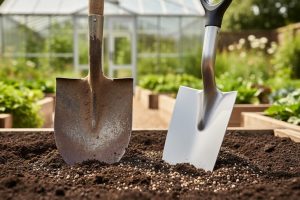
How to Garden in Raised Beds: A Complete Step-by-Step Guide

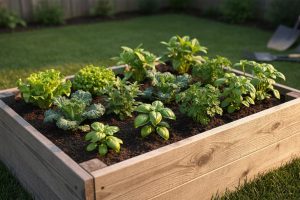
Gardening in raised beds means building a contained planting area above ground level, filling it with quality soil, and growing vegetables, herbs, or flowers in a controlled environment that drains better and warms faster than traditional in-ground plots. Most gardeners can build a basic 4×8-foot bed in an afternoon using untreated lumber, galvanized screws, and landscape fabric, then fill it with a custom soil blend tailored to their crops.
The method works because you’re creating ideal growing conditions from scratch rather than amending whatever native soil happens to exist in your yard. You control drainage, depth, …

How to Start No Till Gardening: A Step-by-Step Method for Healthier Soil

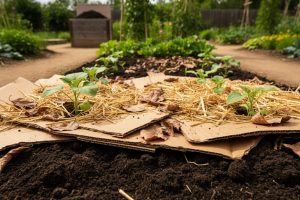
No till gardening transforms compacted, lifeless soil into a thriving ecosystem without ever turning a spade. You build fertility by layering organic materials directly on the ground, starting with cardboard or newspaper as a weed barrier, then piling on compost, leaves, straw, and other amendments. The method preserves the intricate network of beneficial fungi, earthworms, and microorganisms that conventional tilling destroys with every pass.
Key Takeaway: No till gardening preserves your soil’s natural structure and living networks, eliminates the back-breaking work of digging and …

How the USDA Gardening Zones Map Decides What Lives or Dies in Your Garden

The USDA Plant Hardiness Zone Map divides North America into 13 zones based on average annual minimum winter temperatures, giving gardeners a reliable starting point for choosing plants that will survive in their climate. Each zone represents a 10-degree Fahrenheit range, with further half-zone divisions offering even more precision. This map has been the gold standard for American gardeners since 1960, most recently updated in 2023 to reflect shifting climate patterns.
I learned the importance of zones the hard way during my first winter gardening. I’d planted a gorgeous lavender variety in my Michigan garden without checking…

Why Chaos Gardening Could Be the Smartest Thing You Do This Summer

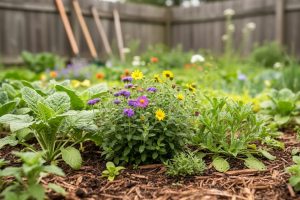
Chaos gardening is the practice of scattering mixed seeds directly onto prepared soil and letting nature decide what grows where. Instead of planting in neat rows or carefully spaced plots, you broadcast a blend of vegetable, flower, and herb seeds together, then thin and manage what sprouts. The method reduces upfront planning time while creating a biodiverse garden that often outperforms traditional layouts in pest resistance and soil health.
This approach has gained momentum among gardeners who want productive spaces without the rigid maintenance schedules that traditional vegetable plots demand. The randomness works in your …

Why Leisure Gardening Is the Stress Relief You’ve Been Missing

Leisure gardening means tending your garden without any pressure to produce prize-winning tomatoes, maintain Instagram-perfect borders, or harvest enough vegetables to stock a farm stand. It’s gardening purely for the joy of it: wandering outside with your coffee to deadhead a few spent blooms, planting whatever catches your eye at the nursery, or simply sitting among your plants and doing absolutely nothing productive at all.
This approach flips traditional gardening on its head. Instead of viewing your garden as a project demanding completion or a space requiring constant improvement, leisure gardening treats it as a place …

Why Square Foot Gardening Transforms Tiny Spaces into Productive Food Factories

Imagine growing enough fresh vegetables to fill your dinner table every night using just a 4×4 foot space in your backyard. That’s the promise of square foot gardening, and after watching my neighbor transform her tiny patio into a thriving salad bar last spring, I became a complete convert to this brilliantly simple method.
Square foot gardening turns traditional row gardening on its head by dividing raised beds into one-foot squares, with each square hosting a different crop based on plant size. Instead of sprawling gardens that demand hours of weeding and watering, you’ll maintain compact, highly productive beds …