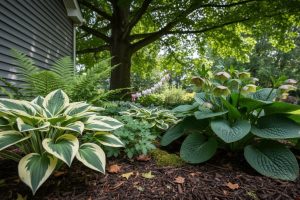
How to Design a Shade Garden in Zone 6 That Looks Lush All Year
A zone 6 shade garden comes together in a single weekend of planning and a few weekends of planting, and the formula is simple: match your plants to the…

A zone 6 shade garden comes together in a single weekend of planning and a few weekends of planting, and the formula is simple: match your plants to the…
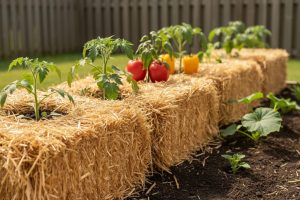
A properly conditioned bale will support vigorous plant growth for one full growing season.

Designing a shade garden in Zone 7 means working with one of the most versatile climate zones for shade-loving plants, where mild winters and warm, humid summers create ideal conditions for a lush, layered garden that thrives in low light. You’ll start by assessing your shade type (full, partial, or dappled), then select plants suited to both your light conditions and Zone 7’s temperature range (0°F to 10°F in winter), and finally arrange them in layers that create year-round interest. The process takes about a …
Research peptides are biologically active compounds scientists use to study plant growth, stress response, and disease resistance, but they aren’t something most home gardeners will buy peptides for their backyard beds. These specialized molecules, which play crucial roles in how plants communicate internally and respond to their environment, remain largely confined to university labs and commercial agricultural research facilities in 2026.
If you’ve stumbled across the term while hunting for ways to supercharge your tomatoes or rescue a struggling rose bush, you’re probably …
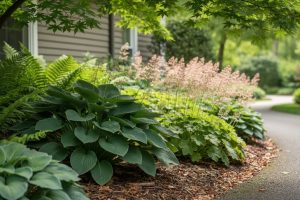
Designing a shade garden transforms those dark, forgotten corners of your yard into lush, vibrant spaces filled with texture, color, and year-round interest. The process involves identifying your shade type (from light dappled shade to deep full shade), selecting plants adapted to low-light conditions, preparing the soil with organic matter, and arranging species in layers that mimic natural woodland settings. Most shade gardens take a weekend to establish and reward you with lower maintenance than sun-drenched beds, cooler microclimates perfect for …
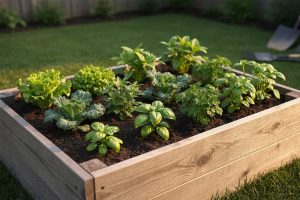
Gardening in raised beds means building a contained planting area above ground level, filling it with quality soil, and growing vegetables, herbs, or flowers in a controlled environment that drains better and warms faster than traditional in-ground plots. Most gardeners can build a basic 4×8-foot bed in an afternoon using untreated lumber, galvanized screws, and landscape fabric, then fill it with a custom soil blend tailored to their crops.
The method works because you’re creating ideal growing conditions from scratch rather than amending whatever native soil happens to exist in your yard. You control drainage, depth, …
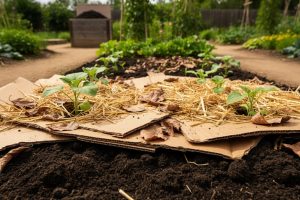
No till gardening transforms compacted, lifeless soil into a thriving ecosystem without ever turning a spade. You build fertility by layering organic materials directly on the ground, starting with cardboard or newspaper as a weed barrier, then piling on compost, leaves, straw, and other amendments. The method preserves the intricate network of beneficial fungi, earthworms, and microorganisms that conventional tilling destroys with every pass.
Key Takeaway: No till gardening preserves your soil’s natural structure and living networks, eliminates the back-breaking work of digging and …

Finding the perfect gift for a gardener is easier than you might think: high-quality tools offer lasting value that gets used season after season, making them far more memorable than generic presents. Unlike candles or trinkets that collect dust, a well-chosen garden tool becomes part of a gardener’s daily ritual, whether they’re pruning roses in spring or harvesting tomatoes in late summer. The best part? Tools suit every budget and skill level, from precision pruners for the rose enthusiast to ergonomic spades for the vegetable gardener with an…

Imagine growing enough fresh vegetables to fill your dinner table every night using just a 4×4 foot space in your backyard. That’s the promise of square foot gardening, and after watching my neighbor transform her tiny patio into a thriving salad bar last spring, I became a complete convert to this brilliantly simple method.
Square foot gardening turns traditional row gardening on its head by dividing raised beds into one-foot squares, with each square hosting a different crop based on plant size. Instead of sprawling gardens that demand hours of weeding and watering, you’ll maintain compact, highly productive beds …

Each garden is different, with its own unique set of conditions, and once you know what they are, you’re very close to mastering the art of gardening. Before rushing out to get the plants you think you want for your garden, it is advisable to assess your plot before taking action.
Soil
Good soil produces healthy plants. Soil is composed of organic matter (humus) and is bursting with life. Each soil is unique, and so it is crucial to know your soil type. Once you identify the soil type along with its pH, you can find plants that can grow properly in your garden. It is also advisable to enhance the soil by introducing …