Why Leisure Gardening Is the Stress Relief You’ve Been Missing
Leisure gardening means tending your garden without any pressure to produce prize-winning tomatoes, maintain Instagram-perfect borders, or harvest enough vegetables to stock a farm stand. It’s gardening purely for the joy of it: wandering outside with your coffee to deadhead a few spent blooms, planting whatever catches your eye at the nursery, or simply sitting among your plants and doing absolutely nothing productive at all.
This approach flips traditional gardening on its head. Instead of viewing your garden as a project demanding completion or a space requiring constant improvement, leisure gardening treats it as a place to unwind. The weeds can wait until you feel like pulling them. That ambitious plan to divide all your perennials this season? Maybe you’ll get to three clumps instead of thirty, and that’s perfectly fine.
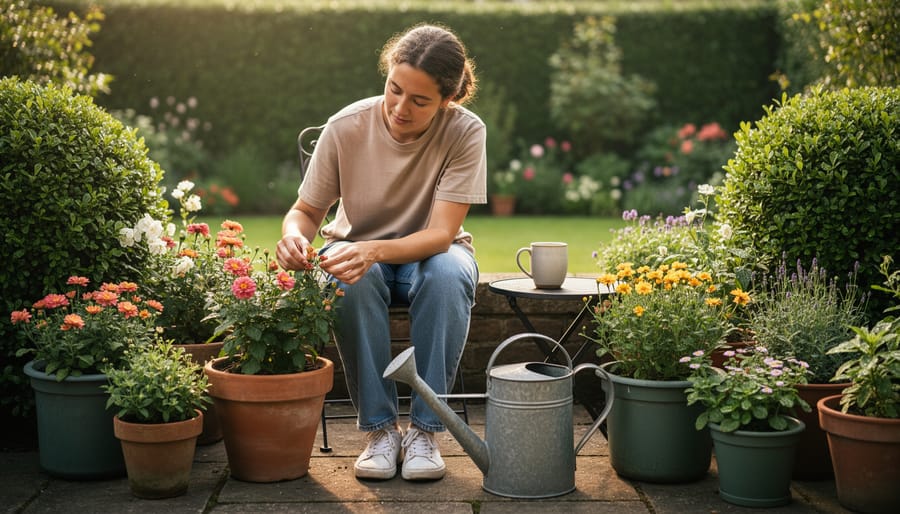
I stumbled into leisure gardening accidentally last summer when a particularly busy work season left me with barely any weekend hours outdoors. Rather than abandon my garden entirely, I gave myself permission to do only what felt enjoyable in the moment. Some evenings that meant simply watering the containers on my patio while watching the sunset. Other days I’d spend an hour pruning roses because I genuinely wanted to, not because the calendar said it was time.
The shift transformed my relationship with gardening entirely. What had occasionally felt like an obligation became genuine restoration time, the kind of restorative break that actually refills your energy rather than depleting it. For anyone who’s ever felt guilty about their untended beds or overwhelmed by their gardening to-do list, leisure gardening offers a different path forward.
What Makes Leisure Gardening Different from Regular Gardening
The difference between leisure gardening and regular gardening isn’t about what you grow or how much space you have. It’s about why you’re out there in the first place. Leisure gardening means choosing to spend time in your garden because you genuinely want to, not because the weeds are taking over or you need to harvest before everything bolts.
When you approach your garden as leisure, you’re there for the experience itself. You might spend twenty minutes deadheading roses not because they desperately need it, but because you love the ritual. You wander out with your morning coffee just to see what’s bloomed overnight. The goal isn’t crossing tasks off a list; it’s being present in a space that makes you feel good.
Regular gardening often carries an undercurrent of obligation. There’s always something that needs doing, and gardens can quickly become another source of pressure in already busy lives. We feel guilty when we haven’t weeded, anxious about underperforming tomato plants, or overwhelmed by the never-ending maintenance cycle.
- Purpose-driven vs. pleasure-driven
- Regular gardening focuses on outcomes like food production, immaculate beds, or property value, while leisure gardening values the experience and enjoyment of being in the garden itself.
- Schedule dictated by tasks vs. by desire
- Traditional gardening happens when plants demand it; leisure gardening happens when you want it, fitting your schedule and mood rather than following garden chores.
- Success measured by results vs. by satisfaction
- Conventional gardening judges success through harvests, appearance, or productivity, whereas leisure gardening measures success by how relaxed, inspired, or joyful you feel.
- Guilt-laden vs. guilt-free
- Regular gardening can generate guilt over neglected tasks and imperfect results; leisure gardening releases that guilt by prioritizing enjoyment over achievement.
This mindset shift fundamentally changes your relationship with your outdoor space. Your garden becomes a sanctuary for restoration rather than another demand on your time. You give yourself permission to simply enjoy being there, whether that means pottering aimlessly, sitting quietly watching butterflies, or spending an hour on one small area that brings you particular pleasure.
The World Leisure Organization recognizes gardening as meaningful recreation, acknowledging what many of us instinctively know: time spent in gardens can be genuinely restorative leisure, not just productive labor. When you embrace leisure gardening, you’re reclaiming your outdoor space as somewhere you choose to be, not somewhere you have to be.
The Mental Health Benefits of Garden Time
Why Slow Gardening Feels So Good
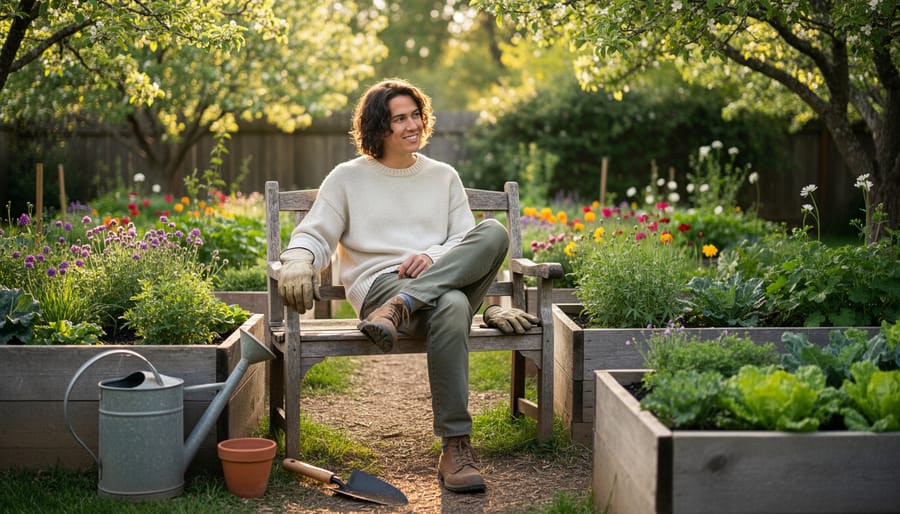
Slow gardening runs counter to everything our culture tells us about productivity, and that’s exactly why it works. When you spend twenty minutes deadheading roses without checking your phone, or pull weeds at a pace that lets you notice the soil’s warmth and the worms below, you’re practising a radical act of presence. Your breathing slows, your shoulders drop, and the mental chatter quiets.
Research on stress reduction from horticultural therapy confirms what gardeners have known instinctively: working with plants at an unhurried pace lowers cortisol and shifts our nervous systems out of fight-or-flight mode. The garden doesn’t care about your inbox or your to-do list. It operates on its own timeline, and when you match that rhythm, the relief is immediate.
This isn’t about getting less done. It’s about being fully where you are while you do it. The tomatoes will ripen whether you fret over them or not, but you’ll only taste the sweetness of the work if you slow down enough to notice.
Creating Garden Rituals for Regular Leisure Time
The secret to making leisure gardening stick is treating it like any other valued part of your day. You wouldn’t skip your morning coffee or evening walk if those bring you joy, so why let garden time slide into the “if I get around to it” category?
Start by anchoring garden moments to existing routines. Take your first coffee outside and wander through your space each morning, noticing what’s changed overnight. Those ten minutes become a grounding ritual that costs nothing but transforms how you start your day. You’re not checking for problems or making a to-do list, you’re simply being present with your plants.
Evening watering sessions work beautifully as a transition from work mode to home life. Instead of rushing through with the hose, slow it down. Hand-water your containers, deadhead a few spent blooms, pull the occasional weed without making it a project. The repetitive motion becomes meditative, and you’ll likely find yourself staying longer than planned.
Weekend pottering deserves its own category. This isn’t about tackling big jobs, it’s the gentle moving around your garden without agenda. Snip some herbs for lunch, rearrange a few pots, sit and watch the bees. I keep a garden journal and pen on my back step specifically for these unstructured sessions, jotting down observations that have nothing to do with productivity.
The goal is making garden time feel as essential and restorative as your other self-care habits, not another obligation competing for attention.
Designing Your Garden for Maximum Enjoyment
Adding Simple Features That Invite Lingering
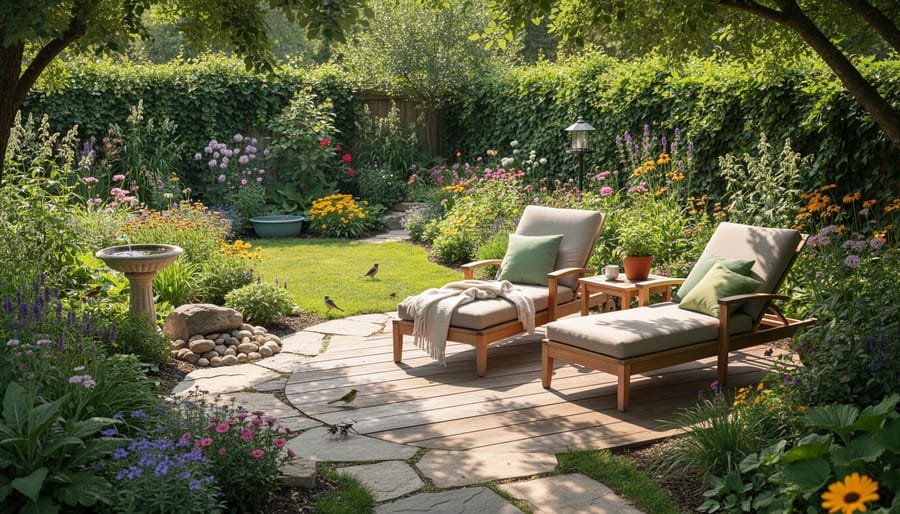
The smallest additions can transform a garden from a place you work into a space you genuinely want to be in. Start with seating, a simple bench positioned to catch morning sun or afternoon shade gives you a reason to pause. I keep a weathered wooden bench near my roses, and it’s amazing how a designated spot to sit changes everything. Suddenly you’re not rushing through tasks; you’re settling in with coffee, watching bees work the blooms.
A hammock strung between two trees creates an instant retreat. Choose a spot where you can see your favorite plantings or catch the breeze, and you’ll find yourself reading there, napping there, simply existing there in ways you never did when your garden was all beds and no places to rest.
Water features invite both you and wildlife to linger. A simple birdbath becomes theater when you position it where you can watch from your seating area. Place a shallow dish with pebbles near your flowering plants as a watering station for bees, it’s a small touch that supports pollinators while giving you something lovely to observe. These creatures need water, especially during warm weather, and watching them drink adds unexpected delight to garden time.
Consider sight lines when placing these features. A bench tucked into a corner might need shaded garden tips to make it comfortable, or perhaps it benefits from dappled light filtering through overhead branches. The goal is creating spots where stopping feels natural, not forced.
Season-Specific Leisure Garden Ideas
Each season offers unique opportunities to experience your garden as pure leisure, and knowing what to savour when can transform your outdoor time throughout 2026.
Summer invites the most indulgent leisure moments. Try evening garden dining by setting up a small table among your plantings for casual suppers surrounded by the day’s fading light and evening birdsong. Morning harvest walks become meditative rituals when you stroll through dewy beds with coffee in hand, picking tomatoes or herbs with no agenda beyond enjoying the coolness before the day heats up. The longer daylight hours mean you can potter outside after work without rush, deadheading flowers or simply sitting among the scents of warm soil and blooming jasmine.
Autumn shifts the leisure focus to harvest celebrations and preparation rituals that feel ceremonial rather than rushed. Collect seedheads for next year while admiring their sculptural forms. Gather branches and blooms for fall flower arrangements that bring the garden indoors. The cooler air makes raking leaves almost pleasant when you approach it as outdoor time rather than a chore.
Winter gardening becomes about brief, appreciative visits: checking on overwintering plants, scattering seeds for birds, photographing frost patterns on leaves. These short sessions honour the garden’s dormancy while keeping you connected.
Spring offers the excitement of discovery walks to spot emerging bulbs and note returning wildlife, turning observation itself into your main garden activity.
Choosing Plants That Bring Joy (Not Just Jobs)
The heart of leisure gardening lies in surrounding yourself with plants that make you genuinely happy to be outside. Forget the vegetables you feel obligated to harvest or the fashionable perennials everyone’s planting this season. Instead, ask yourself: what plants make me stop and smile?
Start by thinking about your sensory preferences. Do you love running your hands over fuzzy lamb’s ear leaves? Does the scent of jasmine transport you to a peaceful state? Would you rather watch butterflies dance around coneflowers than admire a pristine rose bed? These preferences matter more than any expert recommendation when you’re gardening for pure pleasure.
Consider plants that offer multiple seasons of interest without demanding constant attention. The Bloomerang lilac delivers gorgeous fragrant blooms in spring and again in summer, attracting pollinators while perfuming your garden with minimal pruning needs. That’s the sweet spot for leisure gardening: beauty and engagement without the job list.
Think about categories that bring joy rather than tasks:
- Fragrant favorites like lavender, sweet alyssum, and honeysuckle that reward you just for being nearby
- Tactile textures such as soft artemisia or interesting succulents you can’t resist touching
- Movement and sound plants like ornamental grasses that whisper in the breeze
- Wildlife magnets including native flowers that bring birds, bees, and butterflies to watch
- Beautiful bloomers that produce flowers generously without fussy deadheading demands
Give yourself permission to skip plants that stress you out. If roses make you anxious about black spot, don’t grow them. If tomatoes turn summer into a harvest obligation, plant zinnias instead. Your leisure garden should reflect what genuinely delights you, not what you think a proper garden requires.
The best leisure plants are those you look forward to visiting each day, whether that’s checking for new dahlia blooms or watching bees work your catmint. Choose for joy, not duty, and your garden becomes a place you want to be rather than somewhere you should be working.
Making Garden Tasks Feel Less Like Work
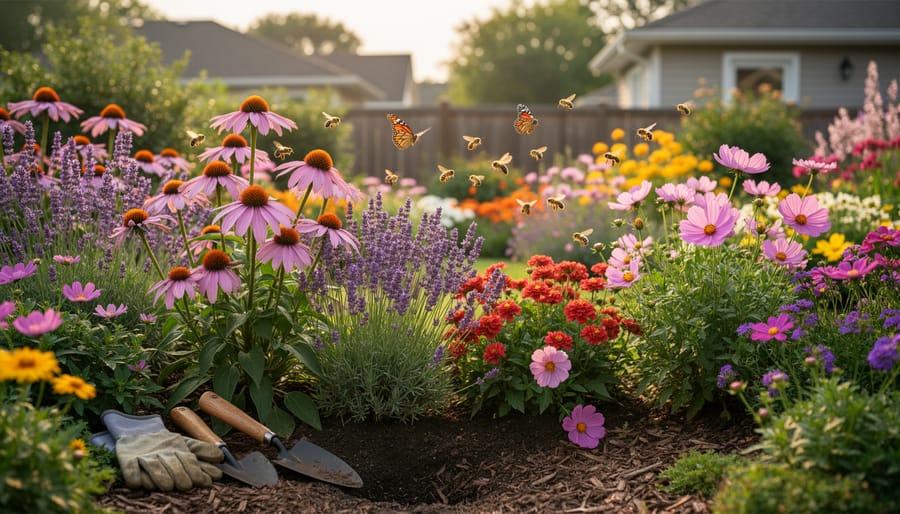
The secret to enjoying garden maintenance isn’t eliminating the tasks, it’s reframing how you approach them. When you shift your mindset from “getting through” your garden chores to genuinely inhabiting the experience, even weeding can become meditative rather than monotonous.
Start by giving yourself permission to work slowly. There’s no garden police monitoring your productivity, so why rush through deadheading when you could linger over each spent bloom, noticing the way seed heads develop or how petals fade? I’ve found that setting a timer for just fifteen minutes transforms weeding from an overwhelming project into a pleasant interval. When the timer goes off, you can stop guilt-free or discover you’re actually enjoying yourself and want to continue.
Your tools make an enormous difference. Investing in equipment that feels good in your hands turns tasks from drudgery into tactile pleasure. A comfortable kneeler pad, sharp pruners that slice rather than crush, or a hose nozzle that doesn’t fight you, these aren’t luxuries, they’re invitations to spend more time outside without the accompanying aches and frustrations.
Consider adding pleasant accompaniments to your garden sessions. A favorite podcast or music playlist can turn routine tasks into anticipated rituals. Some gardeners prefer nature’s soundtrack, birdsong and rustling leaves, which becomes easier to appreciate when you’re not mentally rushing to finish.
The real transformation happens when you stop viewing garden maintenance as separate from leisure time. That hour spent staking tomatoes or tidying borders isn’t time away from relaxation; it’s the relaxation itself. Once you embrace that shift, your garden becomes genuinely restorative rather than another item on your to-do list.
Connecting with the Leisure Gardening Community
Finding fellow gardeners who share your approach to leisure can transform your practice from a solitary pastime into a rich social experience. Look for garden clubs that explicitly prioritize social connection and relaxation over competition or perfection, many groups now organize casual weekend pottering sessions, evening garden walks with refreshments, or simply shared time sitting in an urban garden oasis talking plants and life.
If no groups exist in your area, starting your own is surprisingly simple. Post an invitation to a casual Saturday morning garden coffee or an evening harvest share, and you’ll likely discover neighbors who’ve been craving the same unhurried garden companionship. The emphasis should be on enjoyment rather than expertise, these gatherings work best when everyone feels free to share both triumphs and spectacular failures without judgment.
For those interested in the broader context of gardening as recreation, the World Leisure Journal, published quarterly by the World Leisure Organization, explores gardening within leisure studies alongside other restorative activities. While academic, it offers fascinating perspectives on why we’re drawn to gardens as spaces of genuine rest in our overscheduled lives.
Your garden doesn’t need to earn its keep. It doesn’t owe you perfect rows of vegetables, pristine flower beds, or an Instagram-worthy landscape. The moment you give yourself permission to simply enjoy your outdoor space without measuring its productivity or perfection, everything changes.
I spent years treating my garden like a report card, constantly evaluating my success by harvest yields and weed-free borders. The shift to leisure gardening happened on an ordinary Tuesday morning when I sat on my back step with coffee, watched a bee drink from the shallow dish I’d set out, and realized I’d been smiling for ten minutes straight. I wasn’t accomplishing anything. I was just there, present and content.
That’s what leisure gardening offers: guilt-free time in a space you’ve created for your own pleasure. Some days you’ll deadhead roses because the gentle repetition soothes you. Other days you’ll lie in the grass and watch clouds. Both are valid, valuable ways to spend garden time.
Your outdoor space can be a genuine refuge, not another source of weekend obligations. The weeds will wait. The pruning can happen next month. But the evening light filtering through your favorite tree, the scent of jasmine on warm air, the simple pleasure of soil on your hands, these moments deserve your full attention, free from the tyranny of what you think you should be doing.
Give yourself permission. Your garden is waiting, not with demands, but with an invitation to rest.